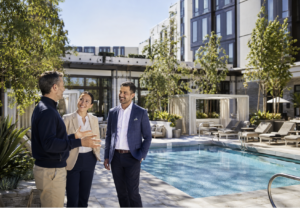
California’s Peninsula is known for ambitious companies, valuable real estate, beautiful communities, and a lifestyle that blends business innovation with outdoor living. From hotels and corporate campuses to apartment communities, private clubs, wellness centers, and hospitality properties, local businesses are searching for ways to make their outdoor spaces more attractive, functional, and memorable.
A professionally designed swimming pool can turn an underused area into a destination. It can give hotel guests a reason to extend their stay, provide residents with a desirable community amenity, create an inviting setting for corporate events, or help a wellness business distinguish itself from competitors. The result reaches far beyond appearance. A well-planned pool environment can influence how people perceive a property, how long they remain there, and whether they recommend the business to others.
California continues to attract investment across technology, hospitality, clean energy, manufacturing, and commercial development. Updates from the California Governor’s Office of Business and Economic Development illustrate the range of investments and economic initiatives shaping communities throughout the state. In this active market, Peninsula businesses need properties that support their brands and meet rising expectations.
A Pool Can Change the Identity of a Commercial Property
A swimming pool immediately changes the atmosphere of a business property. A plain courtyard can become an elegant gathering place. An ordinary hotel can begin to feel like a boutique resort. A multifamily development can offer residents a lifestyle experience rather than a basic place to live.
The most successful commercial pools feel connected to the architecture, landscaping, and purpose of the property. Their shape, materials, surrounding plantings, lighting, and furnishings work together to create one cohesive environment. This integration is especially important in the Peninsula Area, where properties range from modern corporate spaces to traditional estates and established hospitality destinations.
California has the largest state economy in the United States and one of the most influential regional markets in the world. The broader history and scale of the economy of California help explain why businesses continually invest in property improvements that strengthen their market position. A carefully planned pool is one such improvement, particularly when it supports revenue-generating activities or elevates the customer experience.
A commercial pool should never feel like an isolated structure dropped into an empty yard. It should become part of the property’s identity. The surrounding environment can include shaded seating, outdoor dining areas, fire features, water elements, native landscaping, walking paths, cabanas, or flexible spaces for private events. Each feature should reinforce the way the business intends to use the property.
Choosing a Contractor With a Complete Property Vision
Selecting a Pool Contractor Peninsula Area businesses can rely on requires more than comparing construction estimates. Commercial pool projects involve design decisions, property limitations, circulation patterns, safety requirements, accessibility considerations, drainage, landscaping, lighting, and long-term maintenance needs.
The right contractor begins by understanding the business itself. A hotel pool serves different users than a wellness retreat, apartment complex, restaurant, or corporate campus. The design must reflect anticipated traffic, peak usage, privacy needs, operating hours, and the desired guest experience.
A contractor with a complete outdoor-design perspective can coordinate the pool with the rest of the property. That coordination helps prevent disconnected materials, awkward transitions, insufficient seating, poor traffic flow, and landscaping that interferes with visibility or maintenance. It also allows the business to make better use of the available space.
Current coverage from the San Francisco Business Times reflects the continuing movement within Bay Area commercial real estate. Properties compete for tenants, visitors, buyers, and investors in a market where details matter. A distinctive outdoor amenity can help a business property stand apart, especially when nearby buildings offer similar interior features.
Creating a Resort-Style Experience for Customers and Guests
People remember how a place makes them feel. A beautiful outdoor pool environment can communicate comfort, quality, exclusivity, and attention to detail before a customer speaks with an employee. For hospitality and customer-facing businesses, that first impression carries considerable value.
Resort-style does not require an oversized pool or an excessive number of decorative features. It requires thoughtful design. Clean lines, appropriate materials, balanced landscaping, comfortable seating, and carefully placed lighting can make a modest area feel polished and intentional.
A hotel might use its pool deck for morning relaxation, afternoon recreation, and evening social gatherings. A restaurant or event venue could position the pool as a visual centerpiece. A private club may create separate areas for swimming, conversation, and dining. An apartment community could develop a shared outdoor room where residents feel comfortable spending several hours.
Mixed-use development has become an important part of the Peninsula’s changing commercial landscape. Reporting from the San Francisco Chronicle on the Millbrae transit hub described a project combining housing, offices, retail space, restaurants, and a hotel. Developments of this kind demonstrate how multiple experiences can be brought together within one destination. An appealing pool and outdoor environment can support the same principle on an individual business property.
Supporting Employee Wellness and Workplace Culture
The value of a commercial pool is not limited to customers. Peninsula employers compete for talented professionals who increasingly pay attention to workplace culture, wellness, and the quality of shared environments.
A pool area can provide a refreshing setting for company events, employee appreciation gatherings, informal meetings, and wellness activities. Even when employees do not swim during the workday, an attractive outdoor environment gives them a place to step away from desks, eat lunch, or have a conversation in a calmer setting.
Outdoor amenities can also reinforce a company’s image. A business that presents itself as creative, people-focused, or wellness-oriented should have a physical environment that supports that message. Beautifully designed outdoor spaces turn brand values into something employees and visitors can experience.
The California Chamber of Commerce follows the policies and economic conditions affecting employers throughout the state. As California businesses manage labor costs, recruitment challenges, and changing workplace expectations, property improvements that support retention and company culture can become part of a broader competitive strategy.
Making Better Use of Valuable Peninsula Real Estate
Peninsula real estate carries significant value, making wasted outdoor space especially costly. A neglected courtyard, oversized lawn, or poorly arranged patio may occupy valuable square footage without providing a meaningful benefit to the business.
Pool construction creates an opportunity to reconsider the entire site. The design process can identify unused corners, improve walkways, create better transitions between buildings and outdoor areas, and establish distinct activity zones. The finished property may support recreation, hospitality, dining, meetings, and special events within the same overall footprint.
This approach is particularly useful for properties with unusual shapes, elevation changes, established trees, or limited space. A thoughtful design can work with those conditions and turn them into distinctive features. Terraced seating can take advantage of a slope, mature landscaping can provide privacy, and a compact pool can become a striking architectural element.
Commercial real estate coverage from the San Francisco Chronicle regularly highlights the changing demands placed on Bay Area properties. As businesses reconsider how buildings and outdoor areas should function, flexible amenities have become increasingly relevant. A pool environment that can serve several purposes gives the property more ways to create value.
Aligning Design With the Peninsula’s Natural Character
The Peninsula offers a distinctive setting shaped by coastal influences, mature vegetation, rolling terrain, and a mild climate. Commercial pool design should respect that character rather than overwhelm it.
Natural stone, refined concrete, subtle tile, warm wood tones, and carefully selected plants can help a pool feel connected to its surroundings. Native and climate-appropriate landscaping can soften hard surfaces while supporting a more regionally appropriate design. Strategic planting can provide privacy, frame views, and create comfortable divisions between active and quiet areas.
Water use, energy consumption, and long-term maintenance also deserve early consideration. Efficient equipment, thoughtful pool sizing, durable materials, and responsible landscaping choices can reduce unnecessary operating demands. These decisions protect the appearance of the property while supporting practical business needs.
California’s growing focus on sustainable industries is reflected in the state’s clean economy initiatives. Although every pool project has its own requirements, businesses can apply the same forward-looking mindset by choosing efficient systems and materials suited to long-term use.
Increasing the Property’s Appeal and Competitive Position
A commercial pool can strengthen a property’s appeal to several audiences at once. Guests gain an experience, employees receive an amenity, tenants enjoy a stronger sense of community, and owners gain a more distinctive asset.
For hotels and event venues, the pool can become part of the marketing material used across websites, social media, booking platforms, and advertising campaigns. Professional images of an inviting pool environment can communicate the quality of a destination immediately. 📸
For multifamily properties, the amenity may help attract prospective residents and support stronger retention. For offices and corporate campuses, it can contribute to a more appealing workplace environment. For private clubs and wellness businesses, it may become a central component of the services being offered.
California continues to support business expansion and job creation through programs such as those described in the state’s announcement of new business investments and employment growth. As businesses invest in their operations, the quality of the properties where those operations take place remains an important part of growth.
Planning for Safety, Operations, and Lasting Performance
Visual appeal is only one part of a successful commercial pool. The completed project must function safely and efficiently under regular use. Deck surfaces, entries, lighting, fencing, circulation areas, drainage, equipment placement, and accessibility all require careful planning.
The contractor should also consider how employees will monitor the area, how service teams will reach equipment, and how routine maintenance can be completed without unnecessarily disrupting customers. A beautiful design loses value when daily operation becomes complicated or expensive.
Durable construction is especially important for commercial properties because they often experience heavier use than private residences. Materials must be selected for appearance, comfort, exposure to weather, cleaning requirements, and expected foot traffic. Planning for these realities at the beginning supports a better-looking pool years after completion.
Local permitting and code requirements should be addressed during the project’s planning stages. A knowledgeable contractor can help coordinate the many elements involved so the business has a clear understanding of the proposed scope, sequence, and intended result.
Conclusion
The right pool contractor can do far more than install a place to swim. A carefully designed pool can transform the identity of a Peninsula Area business property, improve the experience of customers and employees, make better use of valuable real estate, and create an amenity that strengthens the property’s competitive position.
Successful projects begin with a clear understanding of the business, the people who will use the space, and the character of the surrounding property. The pool, landscaping, lighting, seating, walkways, and architectural details should work together as one complete environment.
For Peninsula businesses seeking to create a resort-style destination, the strongest investment is a pool environment designed around long-term function as well as immediate visual impact. When those priorities are balanced properly, an overlooked outdoor area can become one of the most recognizable and valuable parts of the property.